A well-designed IFAK can make a battle belt more practical, organized, and dependable during demanding situations. The right setup allows quick access to essential medical supplies while maintaining comfort and mobility. Choosing the ideal option involves balancing size, accessibility, durability, and smart storage features.
Focus On Compact and Efficient Design
A compact medical pouch keeps the belt lightweight and easier to manage during movement. Oversized setups may create best ifak for battle belt discomfort or slow down access when speed matters most.
Important features to consider include:
- Slim profile construction
- Lightweight materials
- Minimal bulk on the waistline
- Secure attachment system
- Easy-to-open compartments
- Balanced weight distribution
A streamlined design improves mobility while still leaving enough space for critical medical essentials.
Prioritize Fast Accessibility
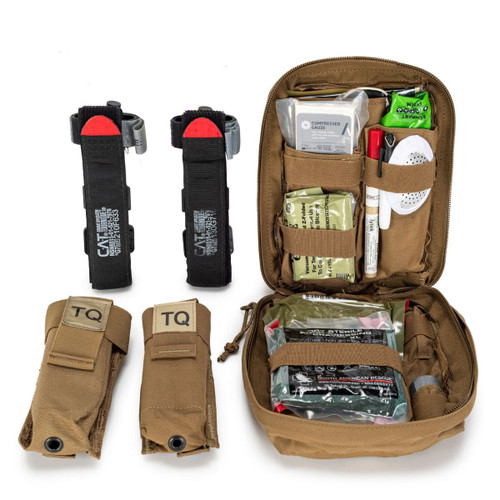
Quick access is one of the most valuable features of any battle belt IFAK. A pouch that opens smoothly and allows immediate visibility of supplies can improve efficiency during emergencies.
Look for options with:
- Pull tabs for rapid opening
- Tear-away capability
- Clearly organized interior sections
- Wide opening panels
- One-handed access support
- Secure but simple closures
An accessible layout reduces fumbling and helps users respond confidently under pressure.
Choose Durable Materials
Battle belt equipment experiences constant wear from movement, outdoor conditions, and repeated use. Durable materials increase long-term reliability and maintain pouch performance over time.
High-quality construction should include:
- Reinforced stitching
- Strong fabric resistance
- Water-resistant surfaces
- Reliable zippers or buckles
- Abrasion-resistant exterior
- Stable mounting straps
Durability provides peace of mind and ensures the kit remains dependable during extended use.
Evaluate Internal Organization
Good organization prevents clutter and helps users locate supplies instantly. A properly arranged interior keeps medical items secure while reducing wasted space.
Helpful organizational features include:
- Elastic retention loops
- Separate storage sleeves
- Mesh compartments
- Label-friendly sections
- Structured interior layout
- Secure item retention
Efficient organization improves speed and keeps essential tools protected during movement.
Consider Comfort and Placement
Comfort plays a major role when wearing a battle belt for long periods. The IFAK should sit naturally without interfering with movement, sitting positions, or access to other gear.
Placement tips include:
- Position the pouch within easy reach
- Avoid blocking other equipment
- Maintain even belt balance
- Keep movement unrestricted
- Test access from different positions
- Ensure stable attachment during activity
A comfortable setup encourages better performance and reduces fatigue.
Match the IFAK to Your Needs
Different activities require different load outs. Selecting the right pouch size and storage capacity helps avoid carrying unnecessary weight while still remaining prepared.
Think about:
- Expected mission duration
- Environmental conditions
- Number of medical supplies needed
- Personal comfort preferences
- Belt space availability
- Ease of customization
Choosing a setup that fits specific requirements creates a more efficient and practical system.
The best IFAK for a battle belt combines accessibility, durability, comfort, and smart organization. A carefully selected pouch improves readiness while supporting faster response times and smoother gear management. By focusing on compact design, dependable construction, and efficient storage, users can build a battle belt setup that remains practical, comfortable, and highly effective in demanding situations.